Reading the Wind and Rain: Young Scientists Learning from the Sky
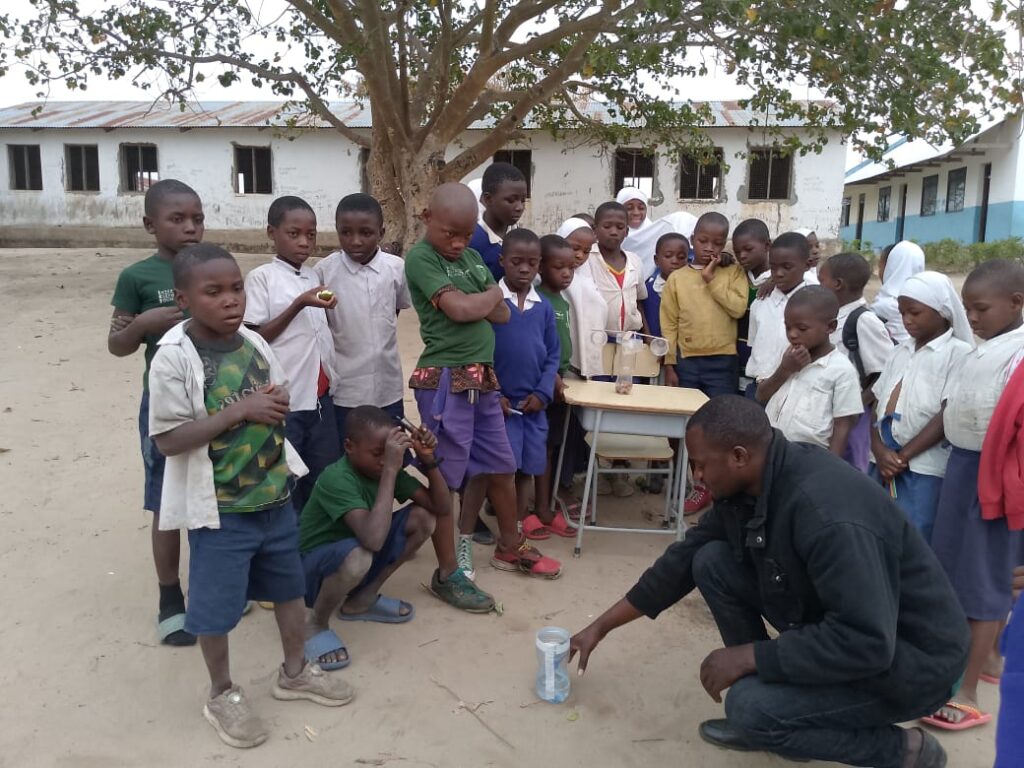
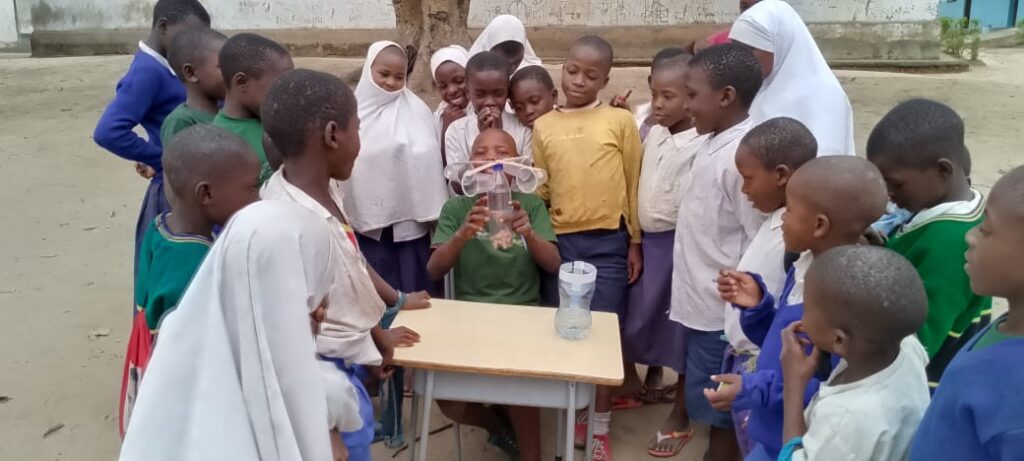
On a warm afternoon at Likuyu Primary School, a group of curious students gathered around a small table outside their classroom. In the center sat a simple device made from plastic cups and sticks. As a light breeze passed through the schoolyard, the cups began to spin.
The children leaned closer, watching carefully. “What makes it move?” one student asked.
This simple moment opened the door to a bigger lesson about the natural forces that shape life around them.
Through ECOWICE’s environmental education program, students explored two important elements of weather: wind and rainfall. Instead of reading about these concepts in a textbook, they observed and discussed how weather can be measured and how it influences plants, animals, and human life.
Learning to Measure Nature
Students were introduced to a simple anemometer, a tool used to detect and measure wind. As the wind turned the cups, they learned how moving air can be observed and understood.
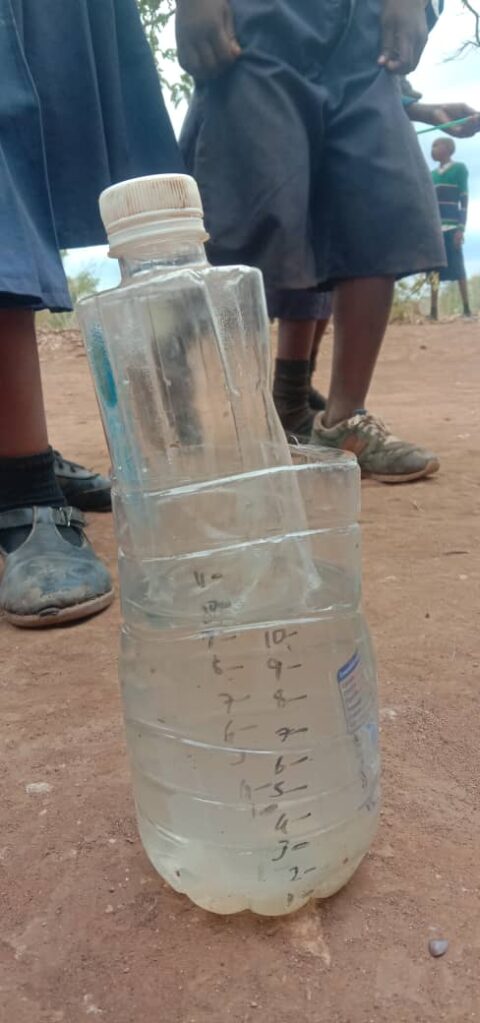
Next, the instructor showed them a rain gauge, created from a recycled plastic bottle marked with measurement levels. The students examined the water collected inside and discussed how rainfall determines the amount of water available for crops, wildlife, and people.
These simple tools helped transform abstract ideas about weather into something the students could see and understand.
Weather and Life Are Connected
As the lesson continued, students began linking what they saw to the environment around them.
They explained how rainfall helps crops grow and fills water sources used by animals. They also discussed how wind moves clouds that bring rain and how changing weather patterns affect daily life in their community.
Through these discussions, students began to understand that weather is not just something that happens above them, it is part of a larger environmental system that supports life on Earth.
Learning by Doing
For many students, this was their first time seeing weather instruments up close. Observing these tools sparked curiosity and encouraged them to ask questions about the environment.
Activities like this help students develop scientific thinking skills. Instead of memorizing definitions, they observe natural processes directly and learn how scientists study the world.
These experiences also strengthen environmental awareness by helping children understand how natural systems are connected.