Weaving Hope and Harvest: Aisha’s Path to Living with Elephants
In the farming landscapes of southern Tanzania, where farms sit close to elephant pathways, many families live with uncertainty each growing season. For years, Aisha faced that reality. She planted maize on her small farm, hoping the harvest would support her family for the year. But too often, elephants passed through the fields at night. By morning, large sections of her corn were gone. What should have been a year’s food and income sometimes disappeared in a single night.
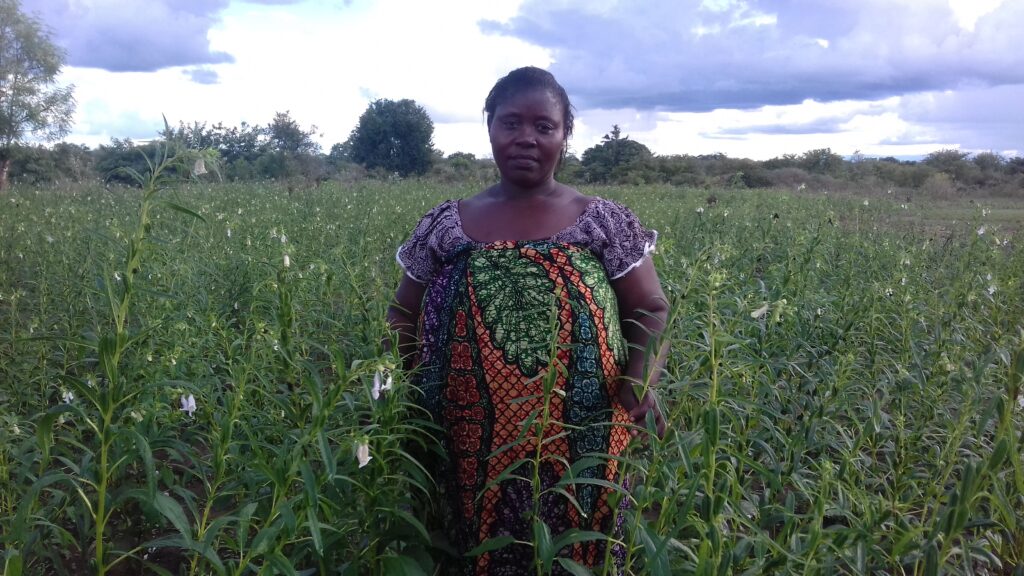
Despite these challenges, Aisha did not give up on the land that has supported her family and community for generations.
Everything began to change when she attended an ECOWICE training on sesame farming. During the training, she learned practical techniques for growing sesame — a crop that is more tolerant to the presence of elephants and requires less labor than maize. With the skills she gained and the seed support she later received from ECOWICE, Aisha began planting sesame on her farm.
For the first time in years, her fields were less affected by elephant visits. The crop offered a new opportunity for stability and income.
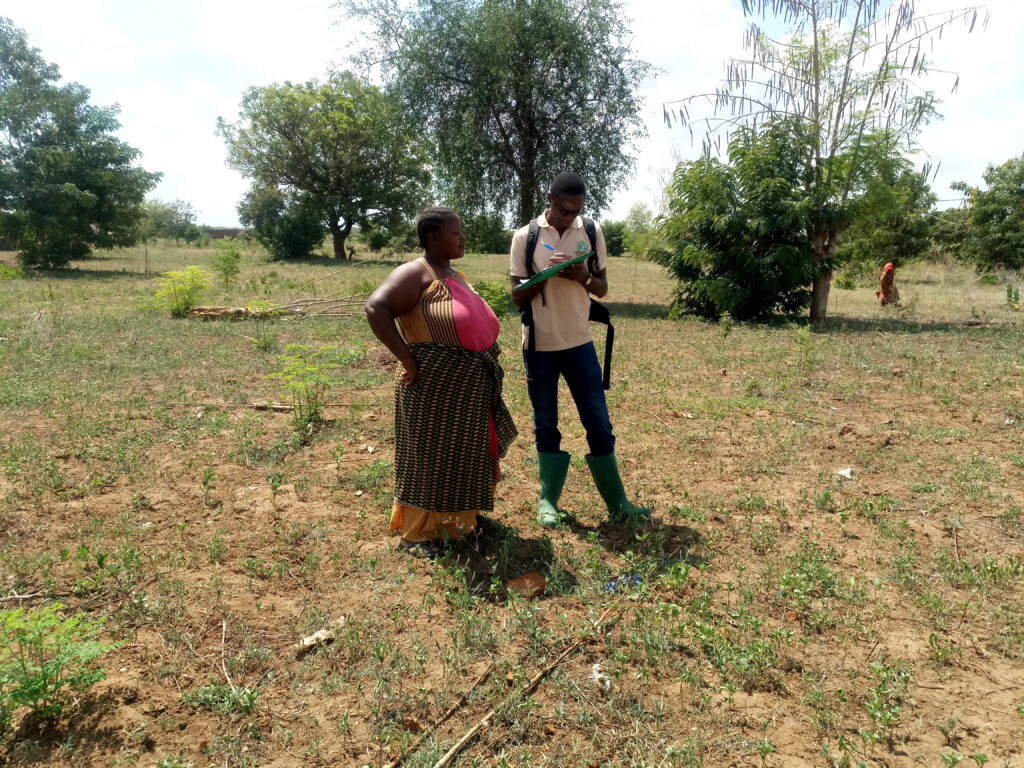
But farming is only one part of Aisha’s story.
After returning from her farm each day, she continues another tradition that connects her to her culture and community: weaving baskets from ukindu, dried palm leaves harvested from the Mikumi palm. Sitting with the leaves in her hands, she carefully weaves them into strong and beautiful baskets used in homes and markets across the region.
“I normally weave one belt of ukindu after I return from the farm,” Aisha explains. “Later it becomes a basket that gives me additional income.”
The Mikumi (palm) is more than a plant. For women like Aisha, it represents knowledge passed from generation to generation, turning natural materials into practical tools and sources of livelihood.
Aisha is also a member of the Upendo Women’s Group, a cooperative of 30 women working together to improve their livelihoods. With training support from ECOWICE, the group is strengthening their skills in weaving, sustainable harvesting of palm materials, and small business development.
Together, they are building something larger than individual success, a community where women support one another, protect natural resources, and create new economic opportunities.
Yet their work still faces barriers.
Many of the women lack basic materials that would allow them to expand their craft and increase their income. They need weaving needles, natural dyes to improve the quality and diversity of their baskets, and solar lights that allow them to weave safely during the evening hours after completing their farming work. Access to reliable markets is also critical for turning their craftsmanship into sustainable livelihoods.
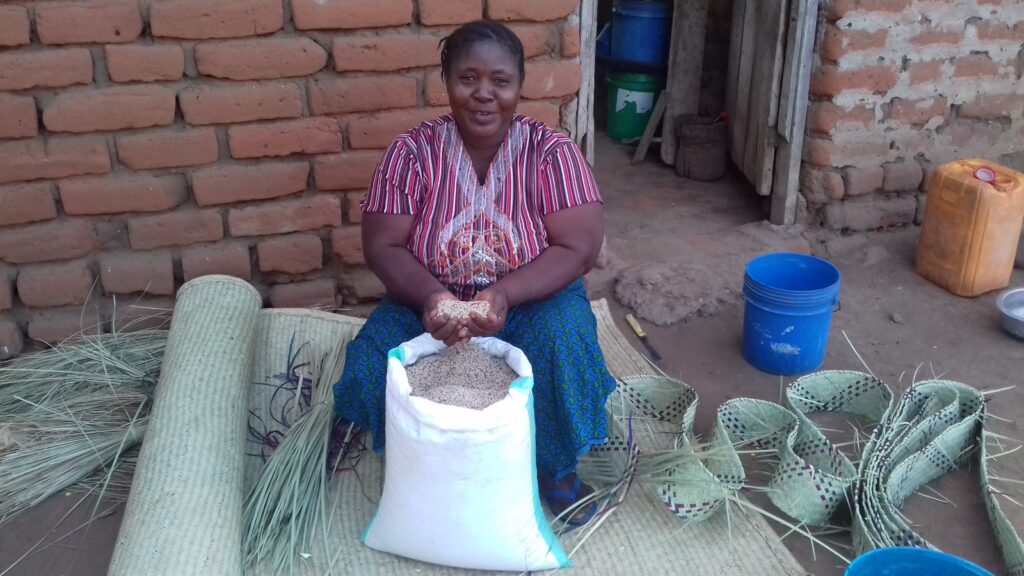
Today, Aisha represents a different kind of story in landscapes often defined only by conflict with wildlife.
Instead of seeing elephants only as a threat, communities like hers are finding ways to adapt, through crops such as sesame, through traditional crafts like basket weaving, and through cooperation among women who share the same hopes for their families and environment.
Aisha is one of many quiet heroes building coexistence between people, livelihoods, and wildlife.
ECOWICE is working to support more women like Aisha, providing training, seeds, and tools that allow communities to thrive while sharing the landscape with elephants.
Your support makes this possible.
Every dollar you give helps empower women like Aisha to grow sustainable crops, continue cultural traditions such as palm weaving, and strengthen communities living alongside wildlife.
Together, we can help more heroes like Aisha turn resilience into opportunity.