Teaching what students live every day!
Helping Teachers Bridge Classroom Learning to Real-Life Community and Wildlife Challenges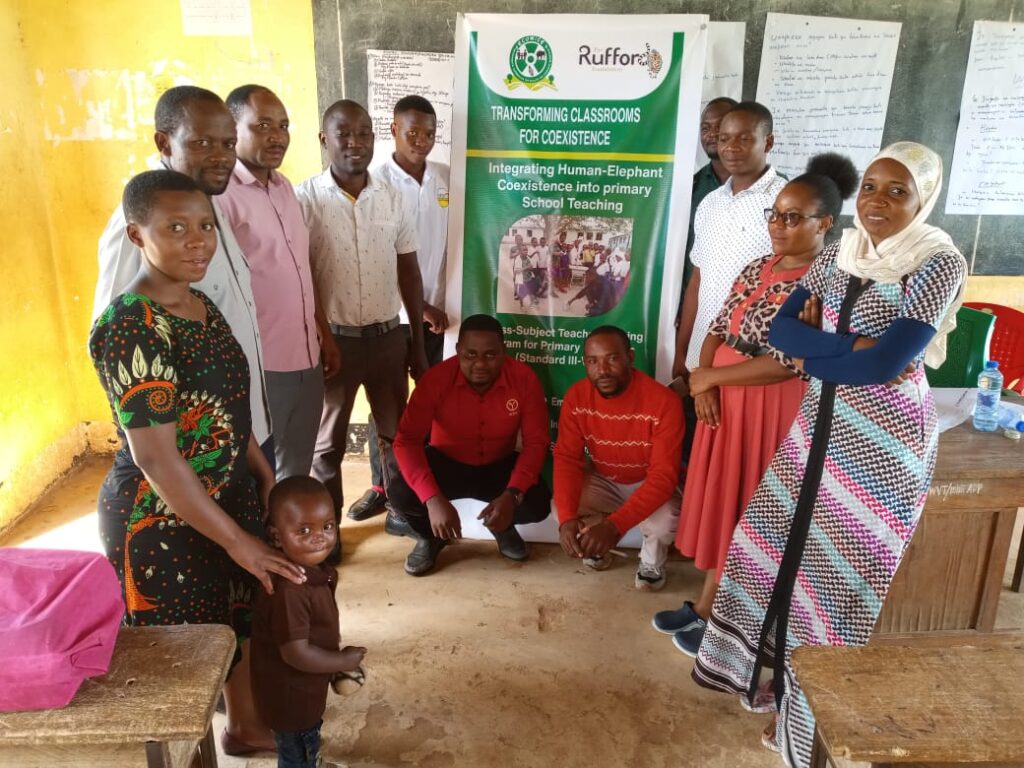
When children leave the classroom, learning does not stop.
They return to communities where families depend on farming, water, forests, and healthy ecosystems. They witness the opportunities and challenges that come from living alongside wildlife. These experiences shape how they understand the world.
Yet in many schools, the realities students live every day are rarely connected to what they learn in class. This is not because teachers lack interest. It is because they face a practical challenge: an already full curriculum and limited time.
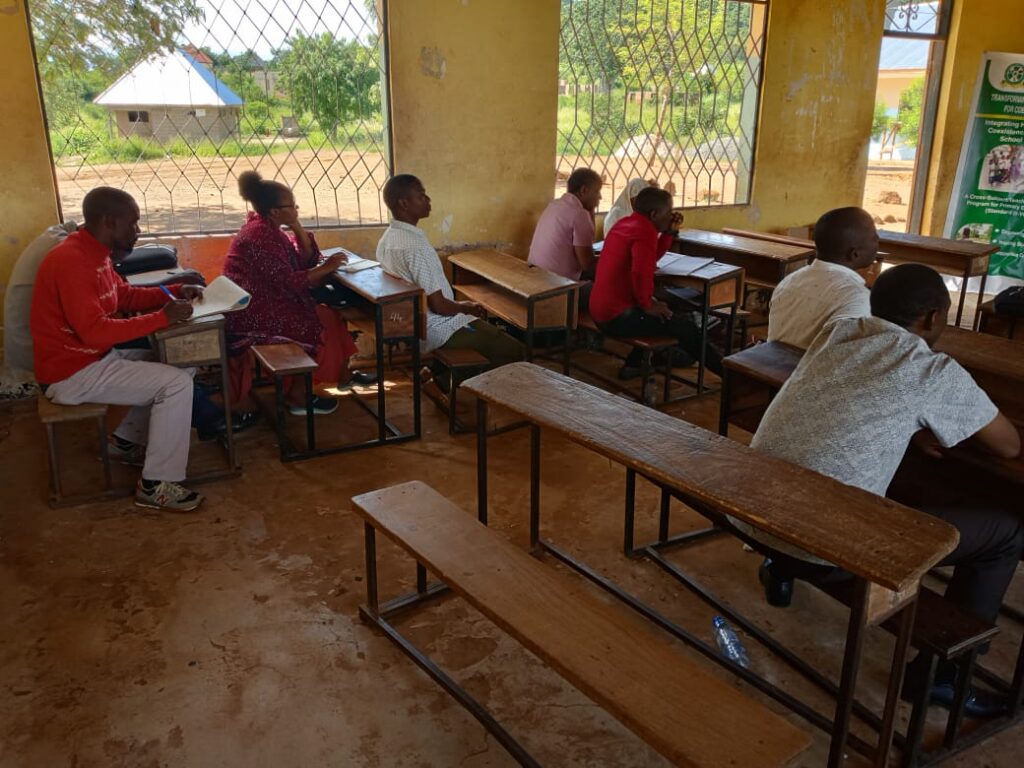
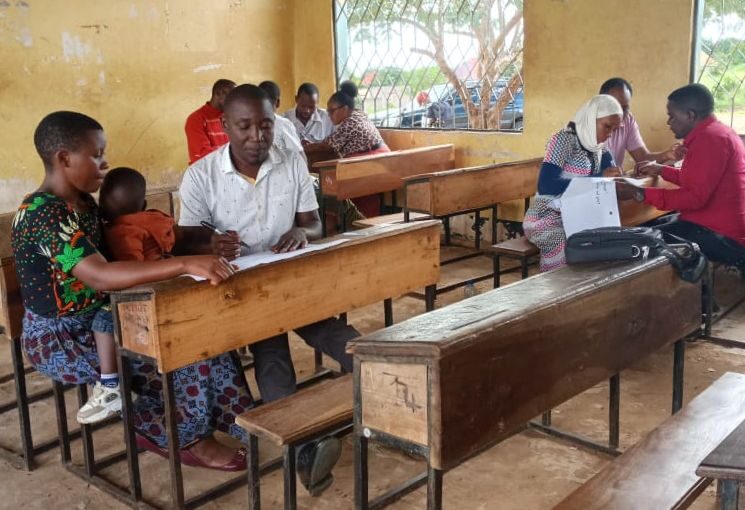
Recognizing this reality, ECOWICE recently brought together primary school teachers for a new approach to environmental education, one that works within existing classroom schedules rather than adding more demands.
From Extra Activity To Everyday Learning
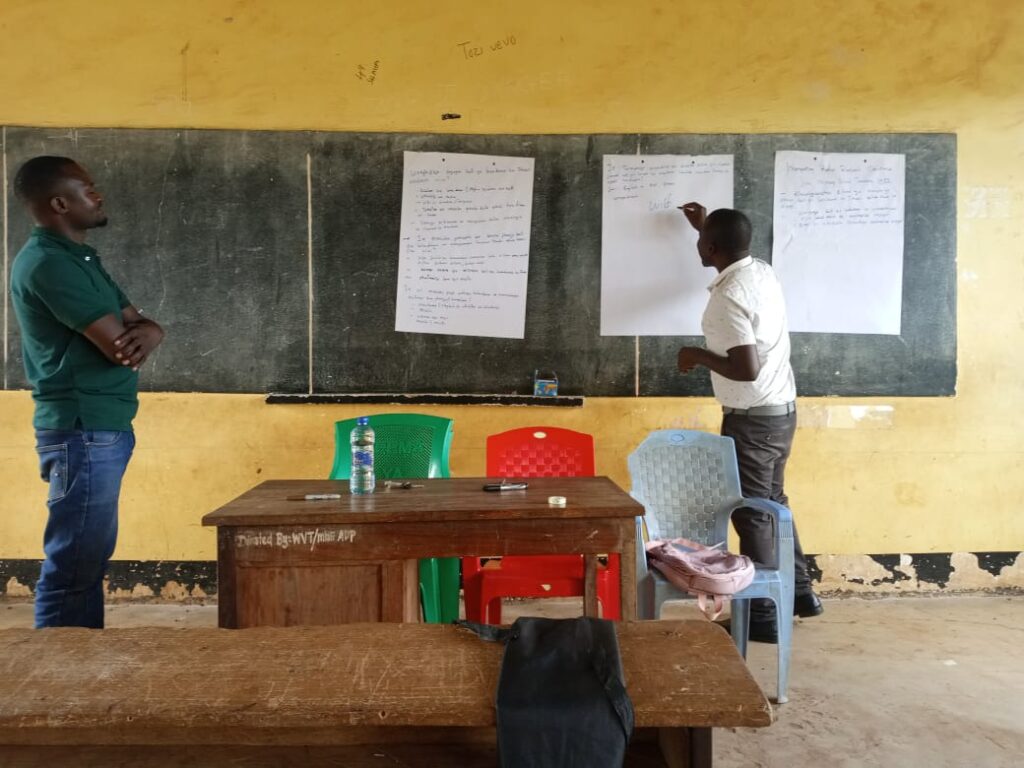
Environmental education is often viewed as an extracurricular activity that takes place outside normal lessons. In practice, however, teachers are expected to complete a demanding curriculum while managing large classes and limited instructional time. As a result, environmental topics, despite their importance, are frequently pushed aside. The training workshop explored a different question: What if environmental education did not require additional time at all? Instead of creating new lessons, teachers learned how to integrate environmental themes into the subjects they already teach every dayTeachers Leading The Change
Educators representing multiple subject areas participated in the workshop, including:- Mathematics • English • Kiswahili • Science and Technology • Geography • History
Making Learning More Relevant
Throughout the workshop, teachers developed practical examples that connect academic content with everyday life.- Mathematics lessons can use real community situations to strengthen problem-solving skills.
- English and Kiswahili lessons can build reading, writing, and communication skills through topics that students already understand and experience.
- Science lessons can explore environmental processes that affect daily life.
- Geography can help students understand the relationship between people, land, and natural resources.
- History can examine how communities and landscapes have changed over time.
A Solution That Respects Teachers’ Reality
One of the strongest messages from participants was the importance of finding solutions that fit within existing school schedules. This integrated approach helps teachers:- Cover curriculum requirements efficiently • Avoid adding extra teaching periods • Increase student engagement and participation • Connect learning to local realities • Strengthen critical thinking and problem-solving skills