Empowering Artisans and Artists Around Mikumi National Park
The rural communities surrounding Mikumi National Park in Tanzania are home to vibrant traditions, creativity, and remarkable resilience. Yet, these same communities face overlapping challenges that threaten both their livelihoods and the natural world around them. ECOWICE is bridging that gap, bringing innovation, opportunity, and sustainable change to the heart of local culture.
Turning Challenges into Opportunities
For many families, limited access to markets and steady income traps them in cycles of poverty. Meanwhile, recurring human–wildlife conflicts, as elephants, lions, and hyenas damage crops and livestock, deepen the struggle to make ends meet. In response, some turn to unsustainable land use, putting more pressure on fragile ecosystems and wildlife habitats.
Although Mikumi attracts thousands of tourists each year, local communities rarely share in its economic benefits. Barriers such as poor infrastructure, limited business training, and a lack of visibility keep talented artisans and performers on the margins of the tourism economy.
Reviving Heritage, Inspiring Change
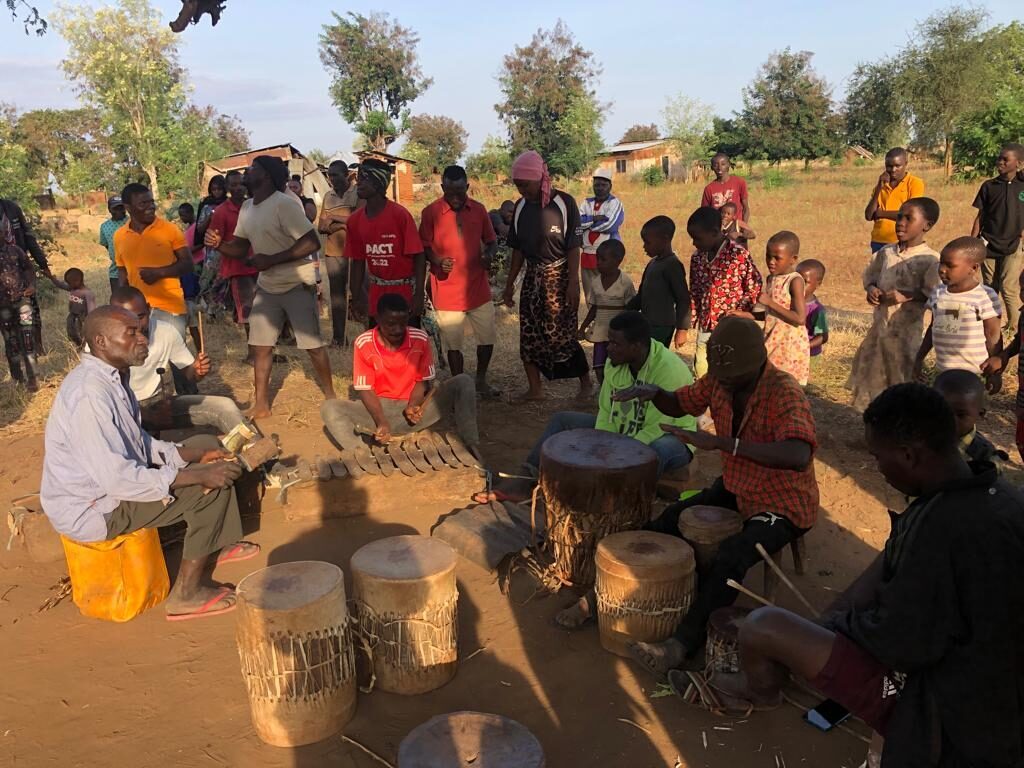
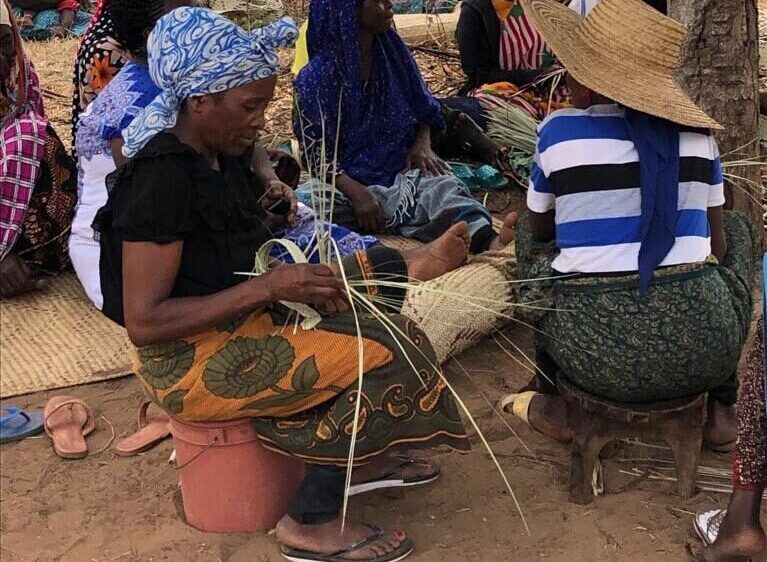
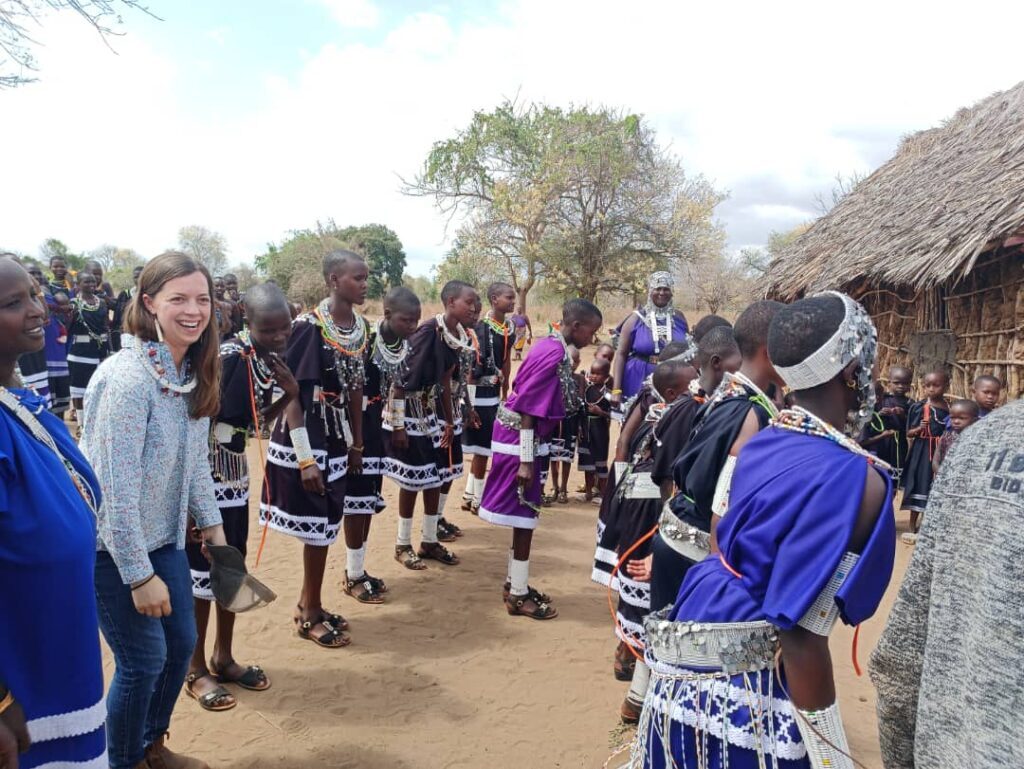
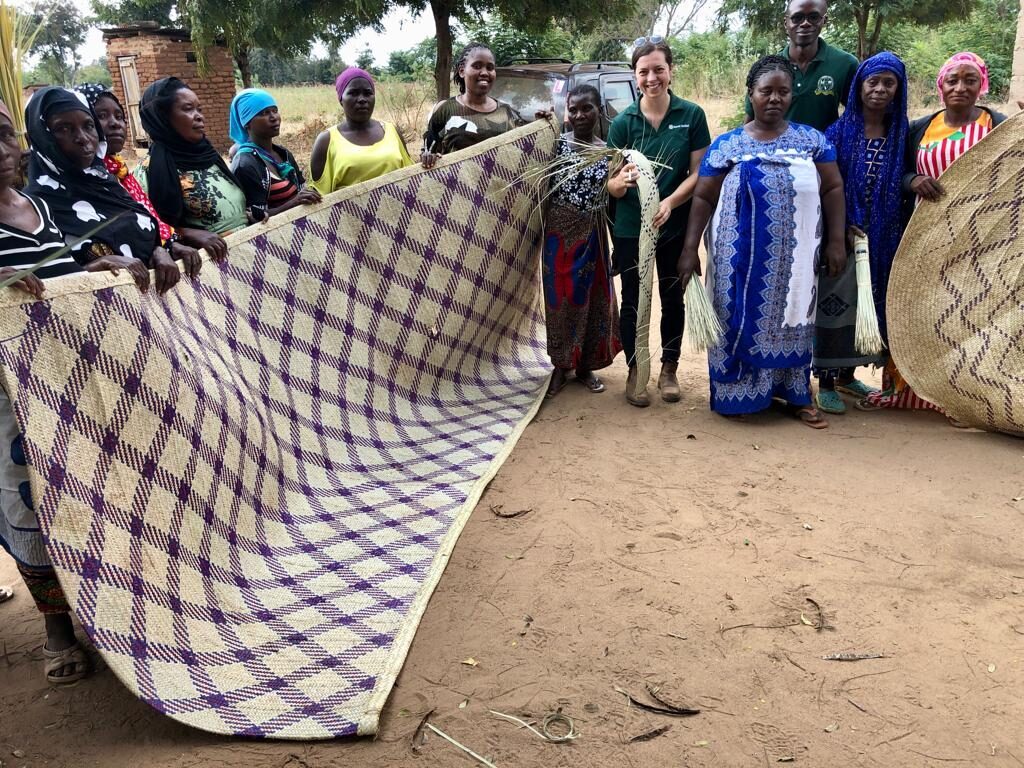
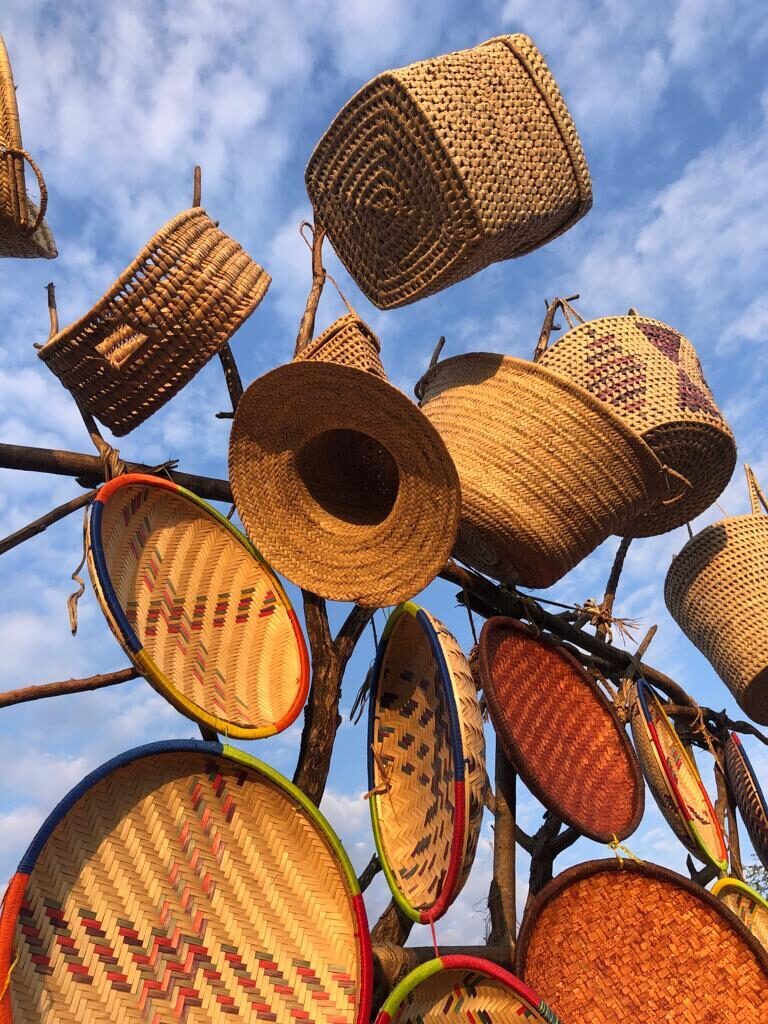
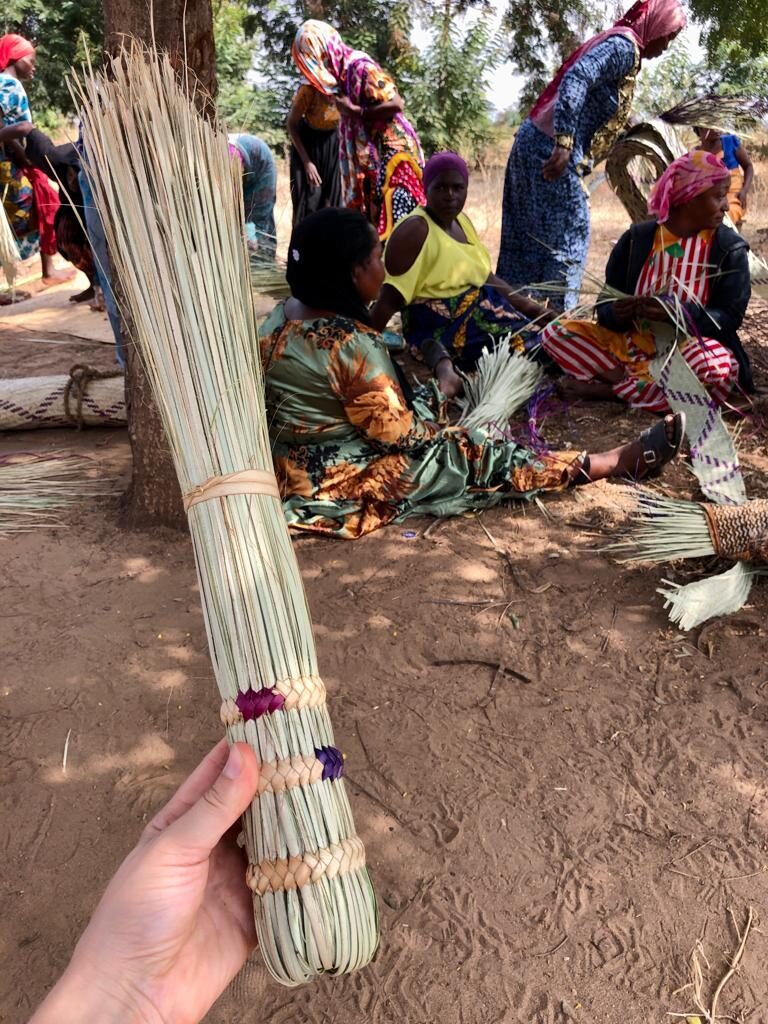
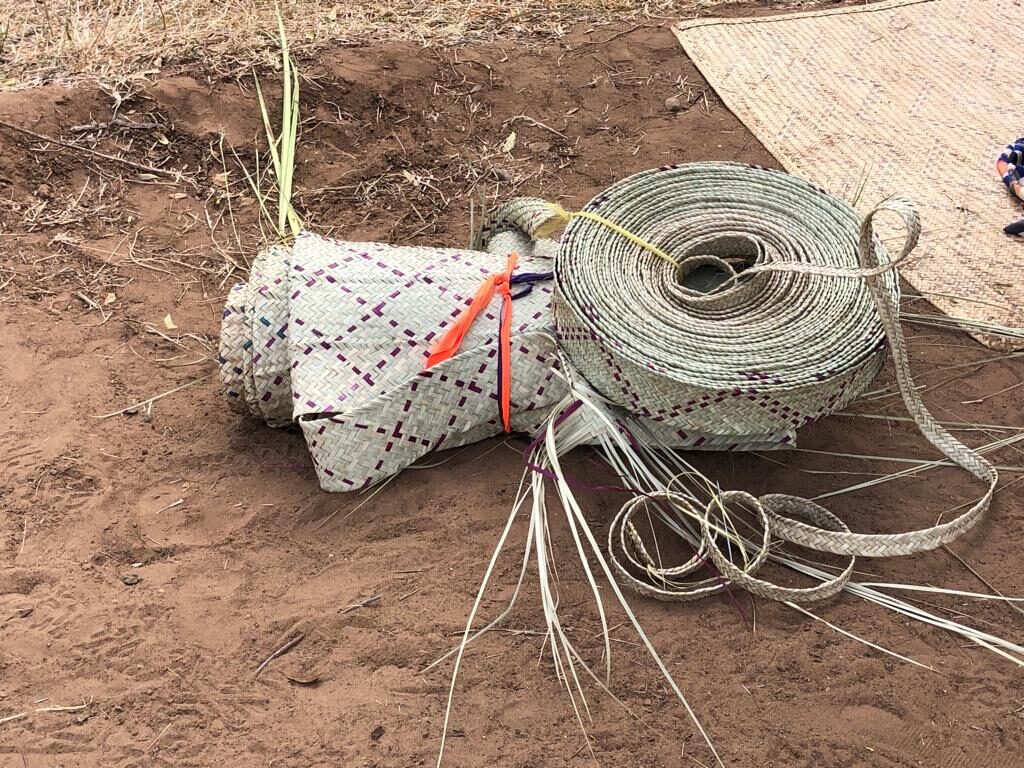
Among those most affected are the Maasai women, celebrated for their intricate beadwork and jewelry, and the Luguru women, whose palm-leaf weaving reflects generations of craftsmanship. Traditional dance troupes and drumming ensembles add rhythm and storytelling to this rich cultural landscape but often lack the platforms to reach broader audiences.
ECOWICE believes that conservation and culture are deeply connected. By linking tourism, cultural heritage, and wildlife protection, we help communities see value in preserving both their traditions and their environment.
Our Approach
Through tailored programs, ECOWICE:
Showcases local talent to both domestic and international visitors.
Provides training and resources to help artisans and performers access fair markets.
Creates storytelling platforms that celebrate Maasai jewelry, Luguru crafts, and traditional music and dance.
These initiatives not only strengthen livelihoods but also build pride and awareness around wildlife conservation.
Shared Benefits for People and Nature
Economic Growth: Craft sales and performances bring essential income to families and villages.
Cultural Preservation: Supporting Maasai and Luguru artistry ensures these living traditions continue to inspire future generations.
Wildlife Protection: When communities benefit from conservation, they become its strongest guardians