Wildlife Savannah Kit: Seeing the Web of Life
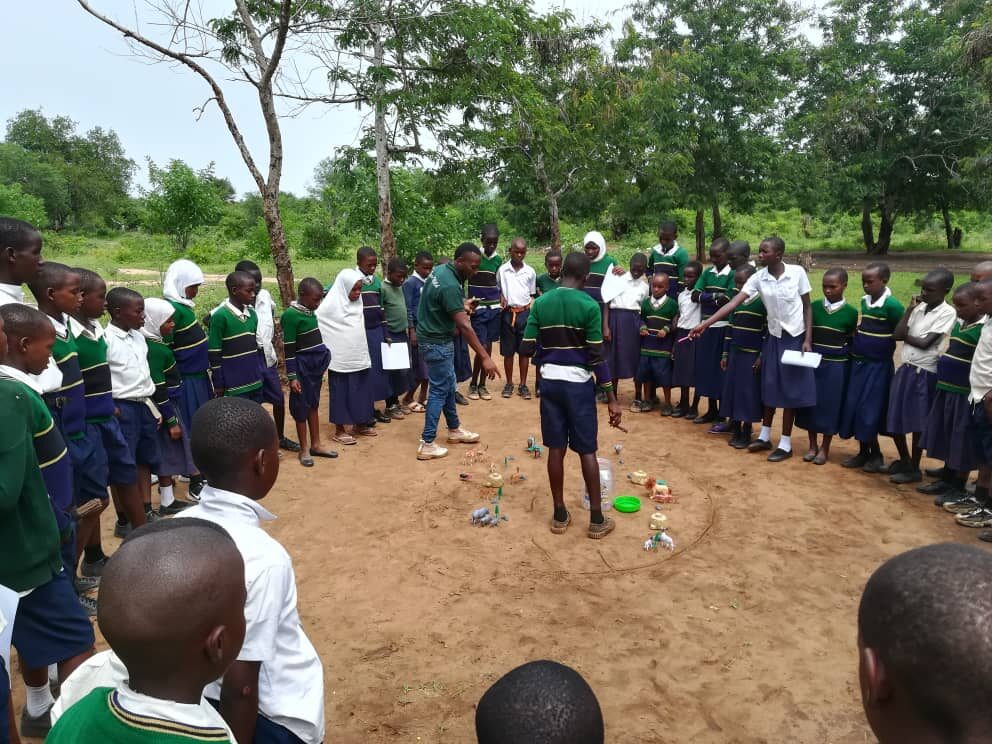
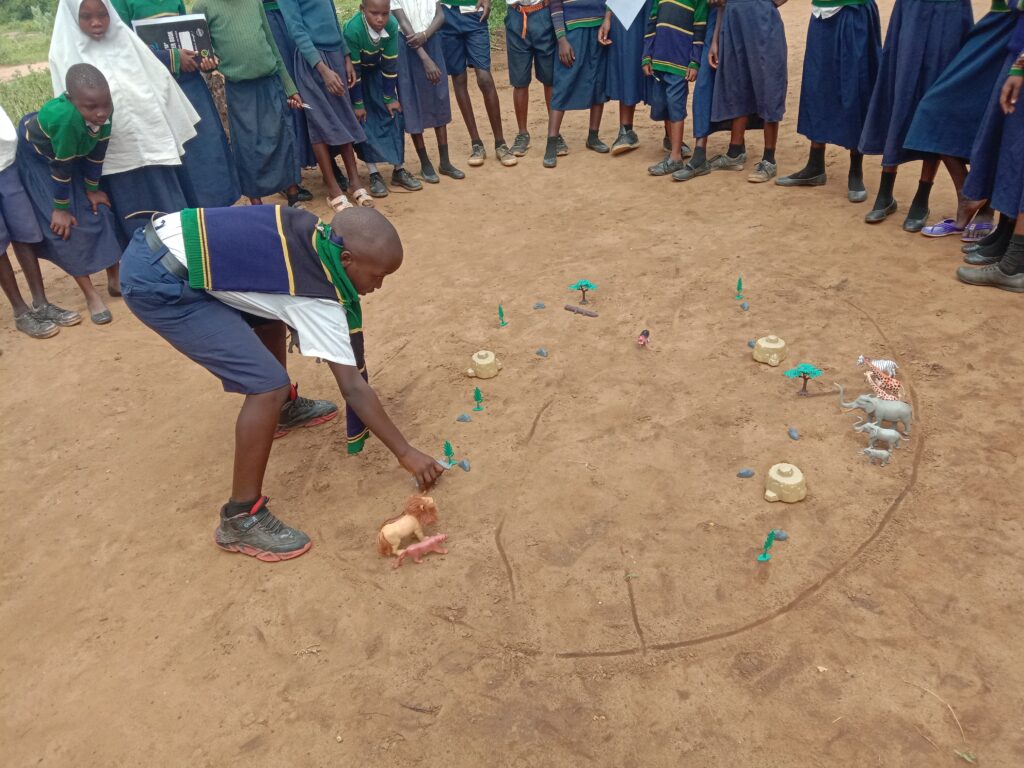
Under the open sky, a group of students stand in a circle, carefully placing animal figures into the sand. A zebra goes here. A lion there. An elephant beside the grass. What begins as play quickly becomes understanding.
Using the Wildlife Savannah Kit, children are invited to build their own version of the savanna, one animal at a time. As they arrange each figure, they ask questions, debate ideas, and discover something powerful: every living thing depends on something else.
Together, students explore who eats what, learning the difference between herbivores, carnivores, and omnivores. They trace invisible lines between plants and animals, forming food chains that show how life is connected. When one piece is missing, the whole system weakens.
Then a quiet realization emerges.
“Without grass, even the zebra dies.”
In communities where drought and wildlife movement shape daily life, this lesson goes far beyond the classroom. Students begin to understand why animals leave protected areas, why farms are affected, and why protecting grasslands and wildlife corridors matters for both people and animals.
Through this hands-on experience, children are not just learning facts — they are developing empathy. They are learning that coexistence is possible, and that caring for the land means caring for all who depend on it.
The Impact
🧠 90% of students correctly built food chains, demonstrating a strong understanding of ecosystem balance
🌿 Increased awareness of how habitat protection helps reduce human–wildlife conflict
🐘 Growing sense of responsibility and respect for wildlife among young learners
Support this Project